
- All
- Product Name
- Product Keyword
- Product Model
- Product Summary
- Product Description
- Multi Field Search
Views: 0 Author: Site Editor Publish Time: 2026-06-14 Origin: Site


The automotive detailing industry generates an overwhelming amount of noise. Exaggerated marketing claims make it incredibly difficult for vehicle owners today. You might struggle to evaluate whether paint protection film acts as a genuine investment or just an overpriced luxury. For buyers entering the final decision stage, relying on industry myths leads to severe problems. Overly positive or aggressively negative assumptions inevitably cause misaligned expectations and wasted budgets. Sometimes, these misconceptions even convince you to skip protection entirely. This hesitation ultimately results in costly, irreversible paint degradation down the road.
Our goal is to provide a fully transparent, heavily vetted, and physically accurate breakdown. We will reveal exactly what PPF protective film actually does. You will discover its absolute physical limits and how to calculate its true return on investment. By removing the sales fluff, we empower you to make an educated, data-driven decision for your vehicle.
PPF is a highly engineered sacrificial shield, not a magical forcefield; it will not fix existing damage or block heavy, high-velocity debris.
Modern high-grade films do not yellow or peel prematurely, provided they are installed in a controlled cleanroom environment.
The financial return on PPF isn't just about avoiding resprays; it actively preserves original paint equity and can increase resale value by up to 15% when warranties are properly documented.
"DIY" or budget installations carry massive hidden costs—the precision of edge-wrapping and paint preparation dictates the film's lifespan.
Many drivers mistakenly believe the material is completely bulletproof and fireproof. Some even assume it miraculously reverses existing paint damage upon application. The physical truth paints a much more grounded picture. The product is a polyurethane layer. It generally measures between 6 to 10 mils thick. Engineers designed it strictly as a sacrificial barrier. It effectively absorbs moderate impacts from gravel and road debris. However, it remains penetrable under extreme, concentrated force. Furthermore, this layer acts as an aggressive sealant. You must correct any existing scratches, swirl marks, or oxidation prior to installation. The adhesive permanently locks in whatever imperfections lie underneath.
High-quality films feature advanced elastomeric polymers. These specialized molecules self-heal superficial micro-scratches effectively. Heat triggers this chemical reaction, usually requiring hot water or direct sunlight. Despite this impressive technology, sheer physics still dictate performance. Large, exceptionally sharp rocks traveling at highway speeds will pierce the polyurethane. Applying the product over damaged, unpolished paint actively magnifies visual imperfections. It also severely prevents proper adhesive bonding. Peeling occurs rapidly when installers skip crucial surface decontamination steps.
You must mandate a thorough paint inspection from your chosen shop. Paint correction stands as a non-negotiable prerequisite. Your installer must polish and compound the clear coat completely. Make this a hard requirement on any quote you review.
Verify the exact thickness of your factory clear coat.
Demand full removal of superficial swirl marks.
Ensure the surface receives a heavy chemical decontamination wash.
Confirm the shop uses specialized lighting to check for hidden defects.
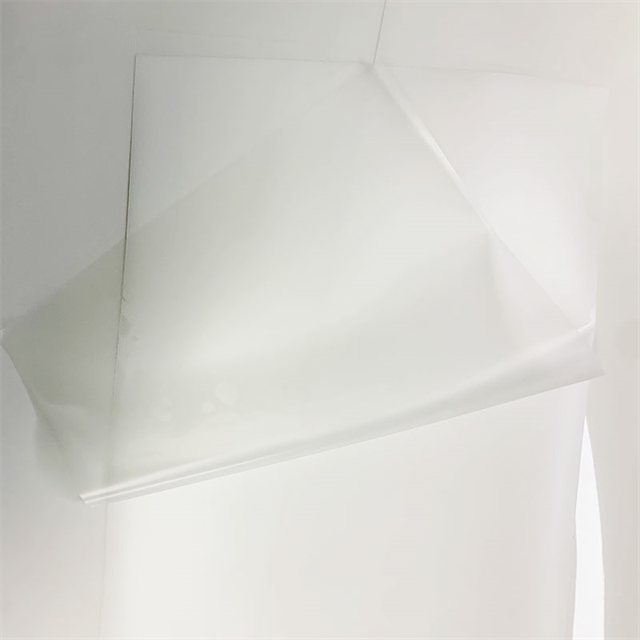
A common myth suggests the film is 100% invisible to the naked eye. Conversely, skeptics worry it leaves a dull, plastic-like texture across the car. The physical truth balances these two extremes. Modern optical clarity frequently exceeds 90%. Yet, it never achieves absolute, magical invisibility. Panel geometry heavily dictates the visual outcome. Faint seam lines might remain visible upon close inspection. This visibility depends entirely on whether installers custom-wrap the panel edges. Additionally, options span far beyond standard gloss finishes. Manufacturers now produce matte, satin, and even color-infused variants. These distinct options provide immense customization freedom.
Early-2000s variants notoriously suffered from an ugly "orange peel" texture. High-end modern options completely eliminate this visual defect. Top-tier polyurethanes transmit light almost perfectly. You retain the exact depth and metallic flake pop of your factory paint. Industry laboratory tests confirm these modern adhesives do not distort light refraction. You achieve a mirror-like finish effortlessly.
Always ask your installer about their specific cutting methodologies. Do they rely entirely on pre-cut kits featuring standard margins? Or do they execute bulk cuts offering customized, wrapped edges? Wrapped edges meticulously hide seams inside internal panel gaps. This precise approach delivers a vastly superior aesthetic outcome. It actively prevents ugly dirt buildup along exposed perimeter lines.
Aesthetic Finish Options Comparison | |||
Finish Type | Visual Effect | Maintenance Level | Ideal Application |
|---|---|---|---|
High Gloss | Matches factory clear coat seamlessly | Standard | Daily drivers and luxury sedans |
Matte / Satin | Diffuses light for a stealth appearance | Requires specialized soaps | Sports cars and aggressive styling |
Color-Infused | Completely changes vehicle color | Standard | Custom builds seeking paint-like depth |
A highly dangerous myth claims the material lasts forever without upkeep. Misguided salespeople often label it completely maintenance-free. No automotive exterior product provides permanent protection. The standard physical lifespan generally runs between 5 to 10 years. Your local climate, daily UV exposure, and personal wash habits dictate this timeline. Its hydrophobic topcoat certainly helps repel environmental contaminants. It drastically reduces hard water spots and extends intervals between washes. Nevertheless, you still must perform proper chemical maintenance regularly. Total neglect will break down the sacrificial layer prematurely.
Premium PPF protective film contains advanced, highly concentrated UV inhibitors. These chemical blockers prevent the infamous yellowing heavily associated with older technologies. Accelerated laboratory weathering tests prove this chemical stability. High-quality polyurethane survives intense, prolonged solar degradation remarkably well. They maintain near-perfect transparency for nearly a decade under normal conditions.
You must follow a strict Standard Operating Procedure (SOP) for washing your vehicle.
Never wash your vehicle in direct, intense sunlight.
Ensure all exterior panels feel completely cool to the touch.
Utilize the standard two-bucket wash method consistently.
Use exclusively pH-neutral automotive soaps formulated for wrapped vehicles.
Substitute rinseless wash solutions for minor dust accumulation.
Never apply abrasive polishes, cutting compounds, or stiff brushes.
Many daily drivers firmly believe only luxury exotic cars require physical protection. They assume the upfront cost cannot possibly be mathematically justified for a commuter car. This framework is structurally flawed. Daily commuters and work trucks endure brutal local environments continually. Winter road salt, loose gravel, and industrial fallout destroy factory paint daily. These heavily used vehicles actually receive the highest functional utility from polyurethane layers. The initial investment completely offsets the steep cost of future repaints. It actively shields the vulnerable factory clear coat from permanent destruction.
Original factory paint retains significant intrinsic value. Dealerships deduct trade-in value aggressively for aftermarket resprays. Vehicles maintaining flawless original paint command substantially higher resale prices. You can verify this pristine condition by transferring a documented 10-to-12-year warranty via history reports. Market data shows such pristine cars can secure a resale premium up to 15%. This financial premium alone often covers the entirety of the initial installation expense.
Smart budget structuring easily overcomes the high-price objection. Full-car coverage often exceeds a standard household budget. Instead, opt for a Partial or Track-Pack configuration. This strategy strictly targets high-impact zones exclusively.
Protection ROI Chart: Budget vs Coverage Options | |||
Coverage Package | Primary Areas Protected | Relative Budget Required | Practical Threat Reduction |
|---|---|---|---|
Track-Pack (Partial) | Front bumper, hood edge, mirrors | Low | Covers 80% of frontal debris impacts |
Full Frontal | Entire hood, fenders, bumper, mirrors | Medium | Eliminates all forward-facing rock chips |
Full Vehicle | Every painted exterior panel | High | Total defense against scratches and environmental fallout |
Many consumers incorrectly assume all polyurethane brands act exactly the same. They believe purchasing a cheap DIY kit online yields professional-grade results. The physical reality shatters this dangerous illusion entirely. The true differentiator resides firmly within the installation environment itself. DIY attempts inevitably trap abrasive dust particles underneath the clear layer. Novices inadvertently create severe alignment tension across complex vehicle curves. This excessive mechanical stretching directly leads to premature adhesive failure and edge peeling.
Industry field data firmly highlights the value of rigorous professional expertise. High-quality, professionally applied films maintain an incredible longevity profile. They consistently display a 95% or higher adhesion rate during their first 5 years. Botched DIY projects illustrate a much sadder financial reality. The cost to safely remove ruined, baked-on film is surprisingly massive. You pay for delicate removal labor, intense secondary paint correction, and a completely fresh install. This combined recovery cost far exceeds hiring a premium professional initially.
Use a strict vetting checklist before handing your vehicle keys to any shop.
Only select installers operating dedicated, climate-controlled cleanrooms.
Look for specialized overhead lighting systems designed to spot paint defects.
Confirm they operate precise digital plotting machines for exact cuts.
Demand officially verified manufacturer warranties directly tied to your VIN.
Review their physical portfolio to verify consistent, seamless edge-wrapping.
Paint protection is absolutely not a mythical, impenetrable forcefield. It stands purely as a highly effective, scientifically validated layer of sacrificial protection. Understanding this fundamental reality sets you up for long-term satisfaction. Maximum return on your investment relies entirely on three foundational pillars. First, you must acknowledge the product's true physical limits. Second, you must perform meticulous paint correction beforehand. Third, you must demand a flawless, professional installation inside a controlled cleanroom. Taking shortcuts on any of these pillars destroys the product's lifespan. We highly recommend taking immediate action to preserve your vehicle's value. Schedule an in-person paint assessment with a certified installer today. Alternatively, request a tiered coverage quote to see which package fits your specific commuting environment perfectly.
A: No. It does not alter mechanical, structural, or electrical components at all. Many automotive manufacturers actively encourage applying paint protection. Dealerships frequently offer it as an add-on because it aggressively preserves the factory clear coat condition.
A: When high-quality materials are professionally removed using proper heat techniques, paint damage remains exceptionally rare. Extensive industry studies show a 95%+ safe removal rate on factory-applied paint. Repainted panels do carry a slightly higher risk of clear coat lifting.
A: They serve entirely different purposes. Polyurethane stops physical impacts like rock chips and deep scratches. Ceramic coating strictly offers chemical resistance and an easy-to-clean hydrophobic surface. The optimal protective solution involves layering ceramic coating directly over the clear film.
A: No. Polyurethane materials do not adhere properly to automotive glass surfaces. They also significantly distort optical visibility, creating dangerous driving conditions. Windshields require specialized, highly rigid impact films that differ fundamentally from paint-focused options.


